
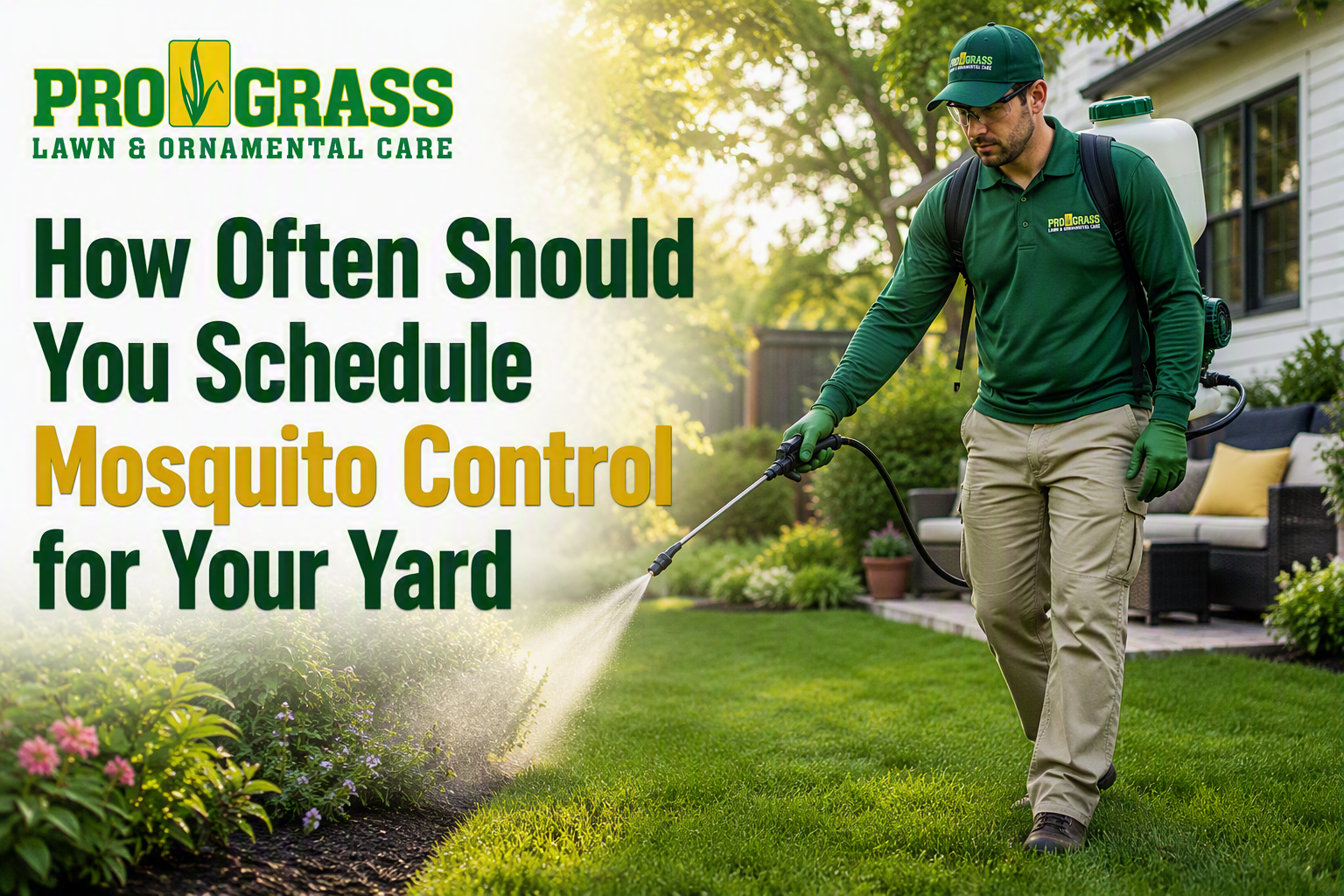
Mosquito activity can change quickly throughout the warmer months. One week, you may barely notice them. A few weeks later, sitting on the patio in the evening can become uncomfortable. This change is often connected to temperature, moisture, surrounding vegetation, and mosquito breeding cycles.
Because mosquito populations do not remain constant, professional treatment is generally more effective as a seasonal strategy than as a one-time application. A mosquito control service can help reduce mosquito activity around residential properties, but treatment frequency should reflect the conditions in and around the yard.
How Often Is Mosquito Control Typically Needed?
Many professional mosquito programs schedule treatments approximately every three to four weeks during active mosquito months. This interval can vary according to the products used, label instructions, mosquito pressure, weather patterns, and property conditions.
There is no fixed number of applications that works for every home. A yard near wooded land may experience different mosquito activity than an open property with limited vegetation. The goal of a mosquito control program should be to maintain consistent management during periods when mosquitoes are active.
Professional recommendations should always take priority over simply choosing a treatment interval based on the calendar.
Let Mosquito Activity Guide the Schedule
A mosquito treatment schedule should reflect what is actually happening around the property.
Pay attention to when mosquitoes first become noticeable each year. Also note how quickly they return after treatment and how long activity continues toward the end of the warmer season.
These observations can help determine if your current schedule is appropriate. For example, an unusually warm spring may lead to earlier mosquito activity, while extended warm weather later in the year could lengthen the active period.
Regular monitoring makes residential mosquito control more responsive to actual yard conditions rather than relying on exactly the same dates every year.
Consider What Surrounds Your Property
Mosquitoes do not stay within fences or property boundaries. The environment surrounding your home can have a major influence on mosquito pressure.
Properties near ponds, wooded areas, drainage channels, dense vegetation, or stormwater collection areas may experience continued mosquito movement. Even if your own property is well maintained, mosquitoes can enter from nearby locations.
This is one reason recurring pest control services for mosquitoes may be useful for properties that experience consistent mosquito pressure. Treatment can focus on areas around the home where mosquitoes commonly rest while homeowners continue addressing conditions they can control.
Yard Changes Can Affect Mosquito Activity
Landscaping is rarely static. New shrubs may be planted, garden beds may become denser, a deck may be installed, or irrigation patterns may change.
These changes can influence mosquito conditions.
For example, dense plant growth can create shaded and humid resting areas. New irrigation systems can leave sections of the property wetter if they are running too frequently. Decorative containers and outdoor features may also collect water after rain.
If you have recently made major changes to your outdoor space, it may be worth reviewing your lawn care mosquito control plan. The areas that needed attention a few years ago may not be the same areas that need attention today.
Irrigation Habits Deserve Attention
Rain is not the only source of excess moisture around a property. Sprinkler systems and regular garden watering can also create conditions that support mosquito development.
Look for areas where water remains after irrigation. Low spots in lawns, poorly draining garden beds, plant saucers, outdoor containers, and clogged drainage areas can hold water longer than expected.
Correcting these conditions can support professional mosquito control treatments without automatically increasing the number of applications.
Homeowners can also review irrigation schedules to avoid unnecessary watering. The objective is not to keep a yard completely dry, but to prevent water from remaining stagnant in places where mosquitoes could reproduce.
Treatment Should Focus on More Than Open Lawn Areas
Mosquitoes are not necessarily spending most of their time in the middle of a sunny lawn.
Many species seek cooler, shaded, and humid areas during parts of the day. Shrubbery, fence lines, vegetation around patios, areas beneath decks, and landscaped borders may provide resting locations.
A professional mosquito control service should take property characteristics into account when determining where treatment is appropriate. This is also why inspecting the property can be valuable before deciding that more frequent applications are needed.
More Frequent Treatment Is Not Always the Answer
If mosquito activity returns sooner than expected, adding another treatment may seem like the obvious solution. However, repeated mosquito problems can sometimes point to an underlying property condition.
A hidden drainage issue, water trapped in an unused container, dense vegetation, or a nearby mosquito habitat may be contributing to continued activity.
In these situations, a property inspection can provide more useful information than simply shortening the treatment interval. Identifying contributing conditions allows the homeowner and service provider to take a broader approach to mosquito management.
Keep Track of Each Mosquito Season
A simple record can help you better understand mosquito patterns around your home.
Note when mosquito activity becomes noticeable, periods when it increases, and approximately when it declines. You can also record major weather changes or yard projects that appear to affect activity.
These details provide useful information when planning the next year’s mosquito control program. Over time, you may develop a clearer picture of when your property typically needs the most attention.
Know When Seasonal Treatments Can End
Just as the beginning of mosquito season varies, its end can change from year to year.
Mosquito activity generally declines as temperatures become less favorable, but the exact timing depends on local conditions and mosquito species. Instead of choosing an arbitrary end date, discuss current activity with your service provider.
This approach helps keep treatment focused on the period when mosquito management is actually needed.
Plan Mosquito Control Around Your Property
Scheduling mosquito control every few weeks during active months is common, but the best frequency depends on much more than a standard calendar. Property surroundings, landscaping, irrigation, weather, mosquito activity, and the treatment product can all influence the recommended interval.
Combining professional treatment with good yard management provides a more complete approach. Regularly checking outdoor conditions also makes it easier to identify factors that could be contributing to mosquito activity before they become bigger concerns.
Plan Your Mosquito Control With Pro Grass
If mosquitoes are making it difficult to enjoy your outdoor space, Pro Grass Inc can help you develop a practical approach to seasonal mosquito management. Our mosquito control service focuses on reducing mosquito activity around residential yards through professionally applied treatments.
Learn more about Pro Grass’ mosquito control service and find a treatment schedule suited to the mosquito activity around your property.